Today’s post is free, and I hope you enjoy the read! I’m sending this on Saturday rather than Friday, in solidarity with yesterday’s National Shutdown. My entire career has been based in two industries—food and home—that wouldn’t exist without the hard and skilled work of immigrants.
Photo by Victoria Pearson
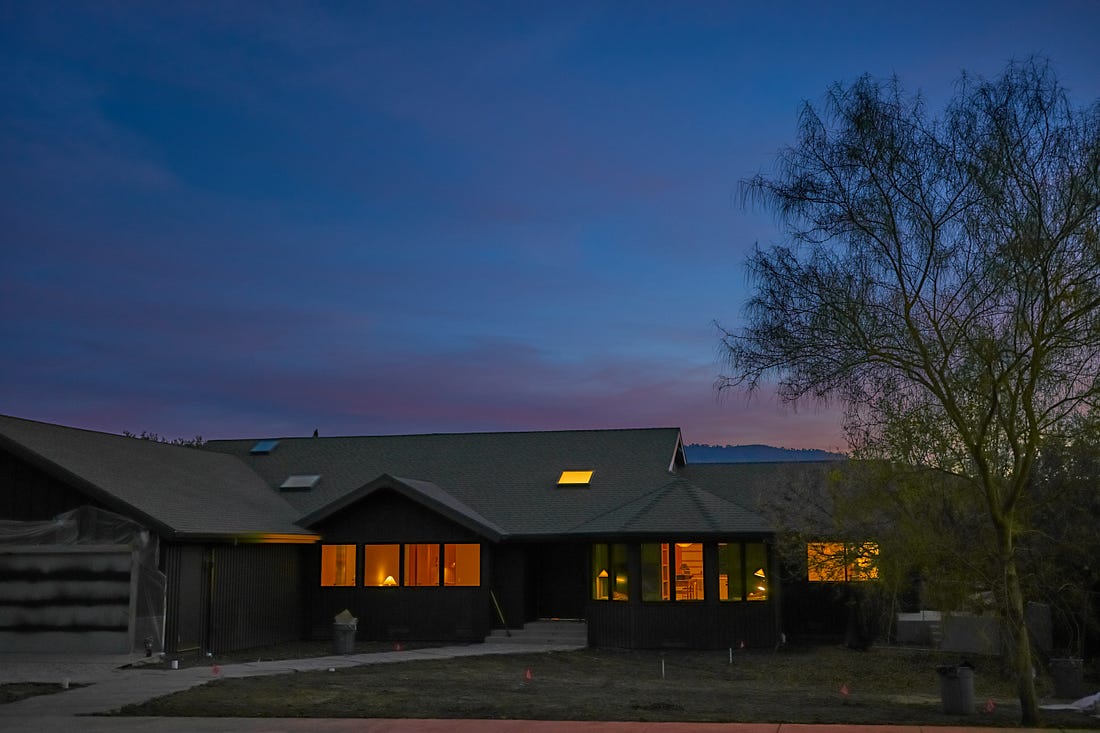
We had a plan for how it was all going to unfold. The construction and all dust-producing punch list items would be completed. We’d get the house cleaned top to bottom. Reath Design would do a two-day install of the furniture and lighting. We’d move in. And at last we’d be at home in Ojai! And I’d get back to work on my new business and my book deadlines, all of which I was Very. Behind. On!
You may recall that we were supposed to move into the house last March. Then July. Then October. Then November. And finally, December.
Photo by Victoria Pearson
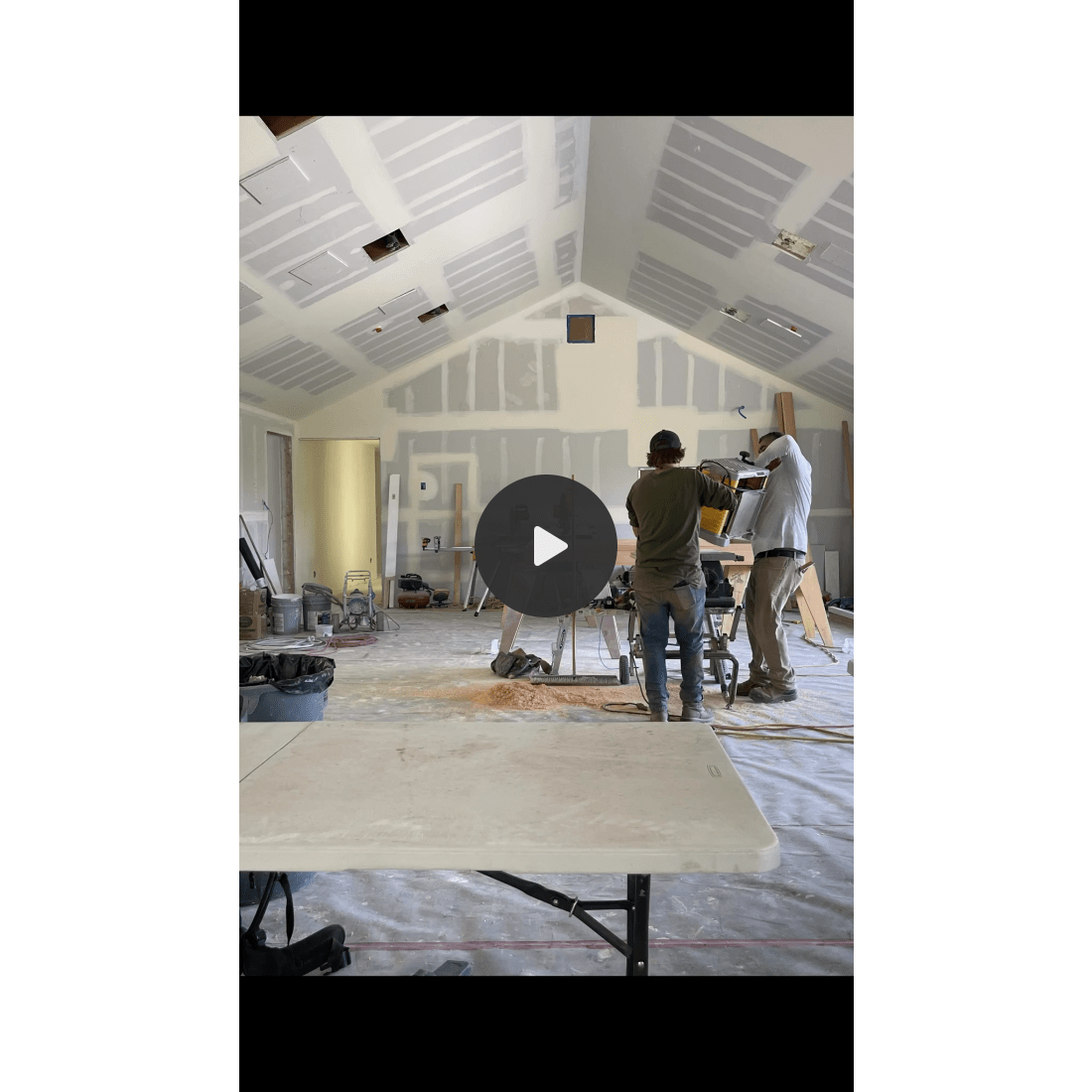
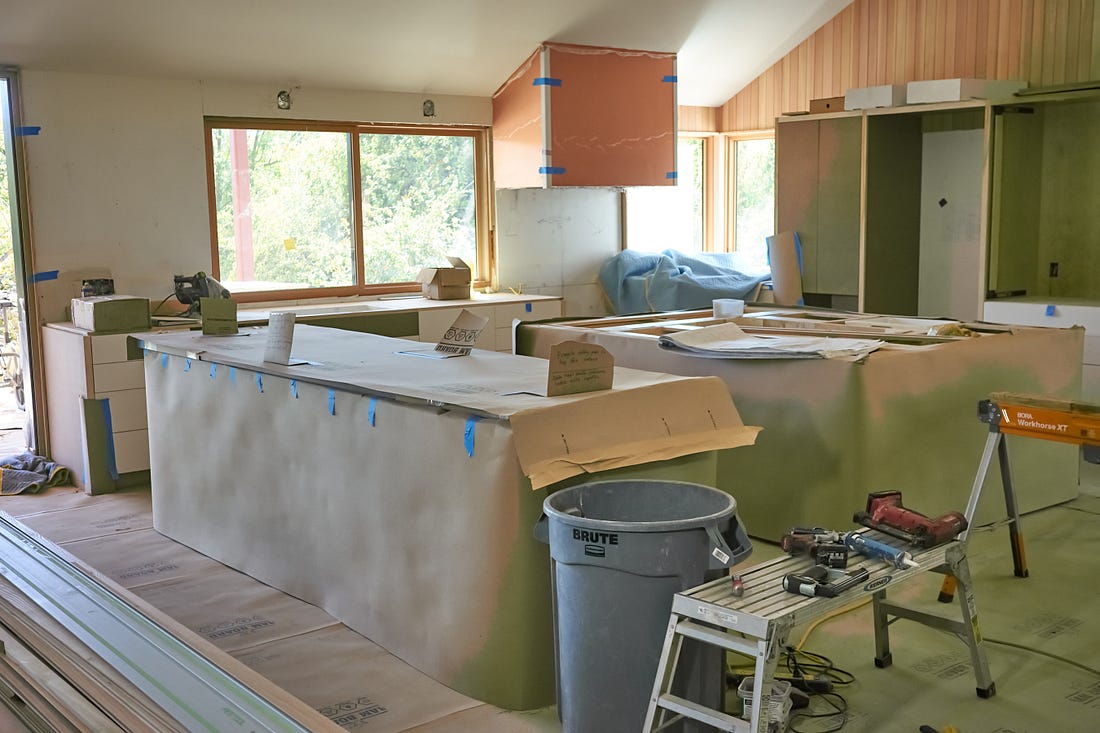
When we returned from spending Thanksgiving in New York, the house was done—in the sense that a layer cake is done when the layers are baked but not yet assembled, iced, or decorated. Some patches of our cake had stuck to the pan, and there were a lot of crumbs around the edges.
But the cascade of cleaners and movers were scheduled. We were going to move in.
Two housecleaners and I vacuumed, scrubbed, and wiped every surface (a few glugs of white vinegar, a drop or two of dish soap, very hot water, and cotton cloths), while navigating around construction workers who were still installing countertop, painting trim, and wiring lights.
The thing about wiping down surfaces is that you learn a lot about the quality of the finish work.
After 10 hours of cleaning, I was, on the one hand, ecstatic about the design and proportions of the house, and on the other, infuriated by all of the small issues we were going to have to fix. But mostly, I was just sweaty and tired.
Photo by Victoria Pearson
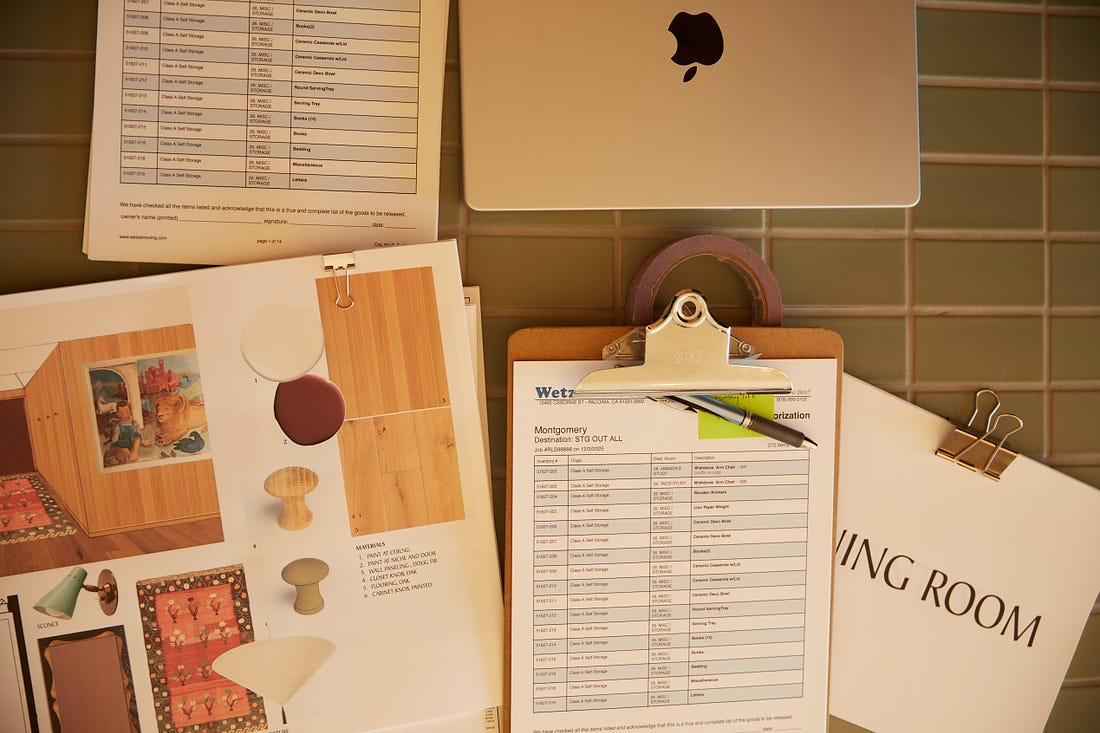
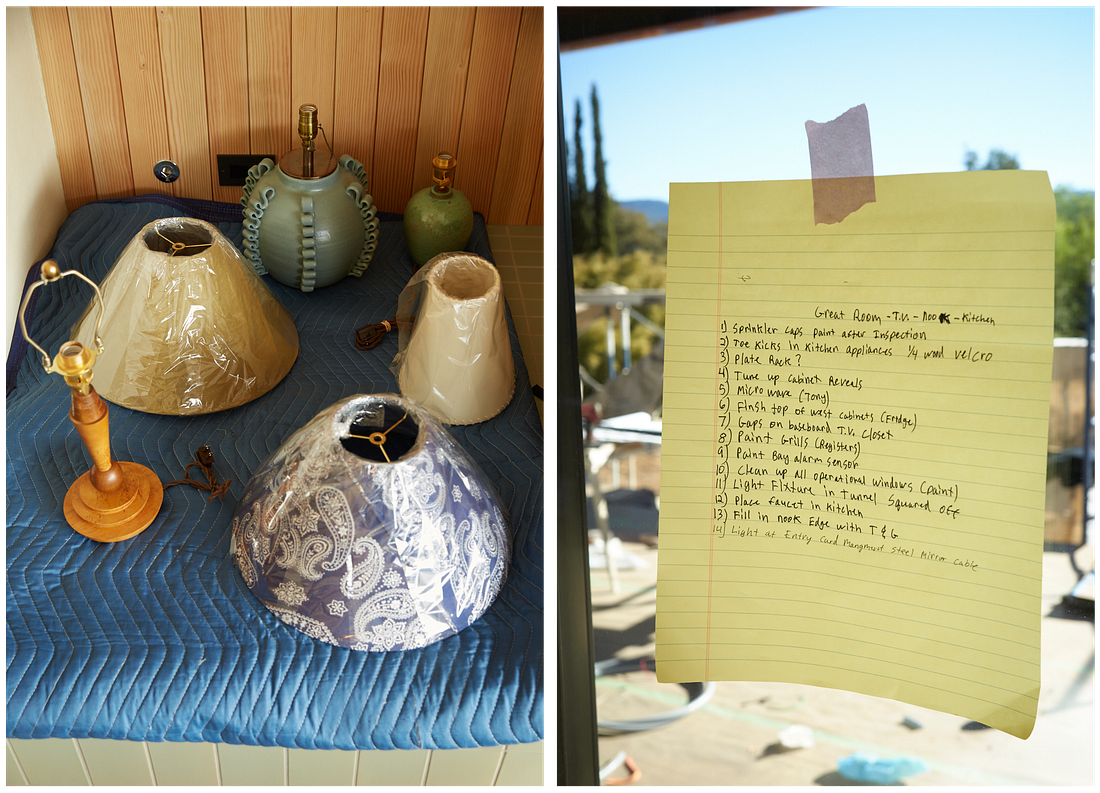
The next day, we picked up lunch for Reath and the movers. When I went by the house to drop it off, Mariah, one of Reath’s designers, was unpacking lamps on the kitchen island. I felt a little flutter of excitement.
Photos by Victoria Pearson
Tad and I had been asked to stay away (a.k.a. out of their hair) until they were finished. We hunkered down at our neighbors’ guest house and waited it out, answering emails and distractedly working. We’d been unsettled since late September. Moving in would solve this. We’d finally have our mooring.
Late in the afternoon on the following day, Frances texted to say they were ready: we could move in! We packed up our carry-on bags and Fiver, and drove down the hill.
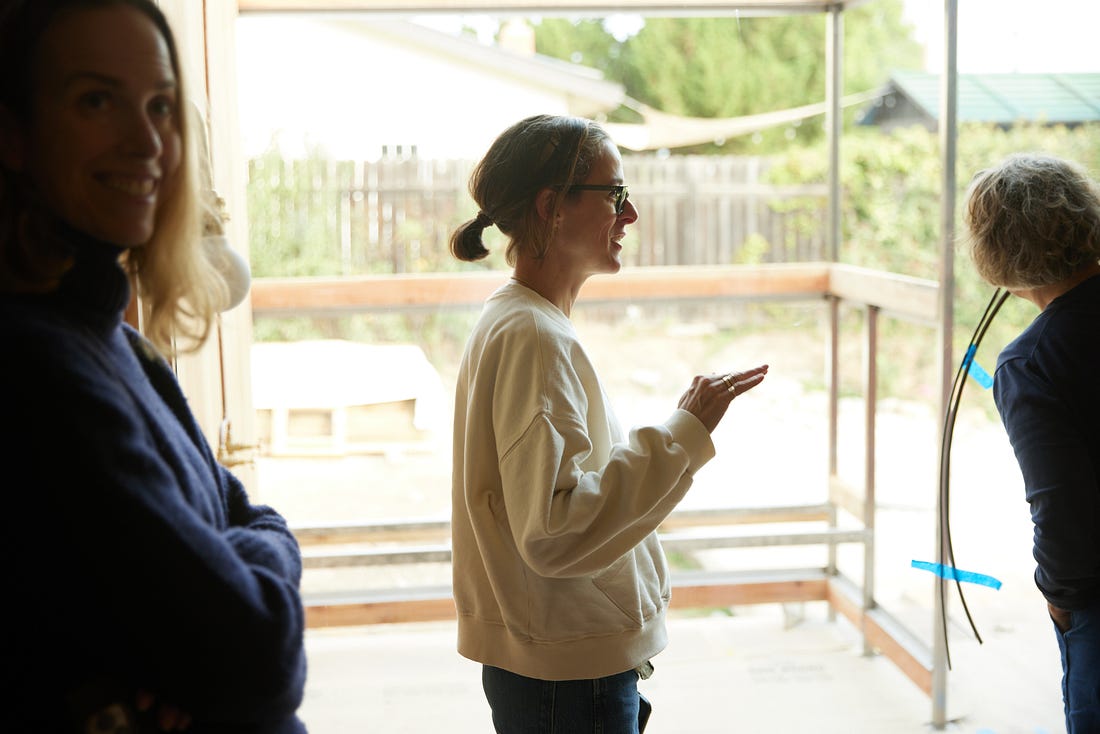
As we walked into the house, Frances, Mariah, and Danielle from Reath were standing in the kitchen, beaming. The house, now furnished with items we’d been selecting over the past two years, was sublime. But seeing how pleased they were is what made me feel giddy. I understood for the first time that this is their moment. They had spent far more time working on the house than we had. They had labored over welting details, the translucency of shades, the wrapping of sofa feet. They had put together a complex matrix of color and texture—and just as a director won’t know exactly how a play will work until the curtain is lifted before a live audience, the same is true for an interior designer. Will their risks pay off? Will details be perceived? Will the natural light cooperate with the paint?
Photo by Victoria Pearson
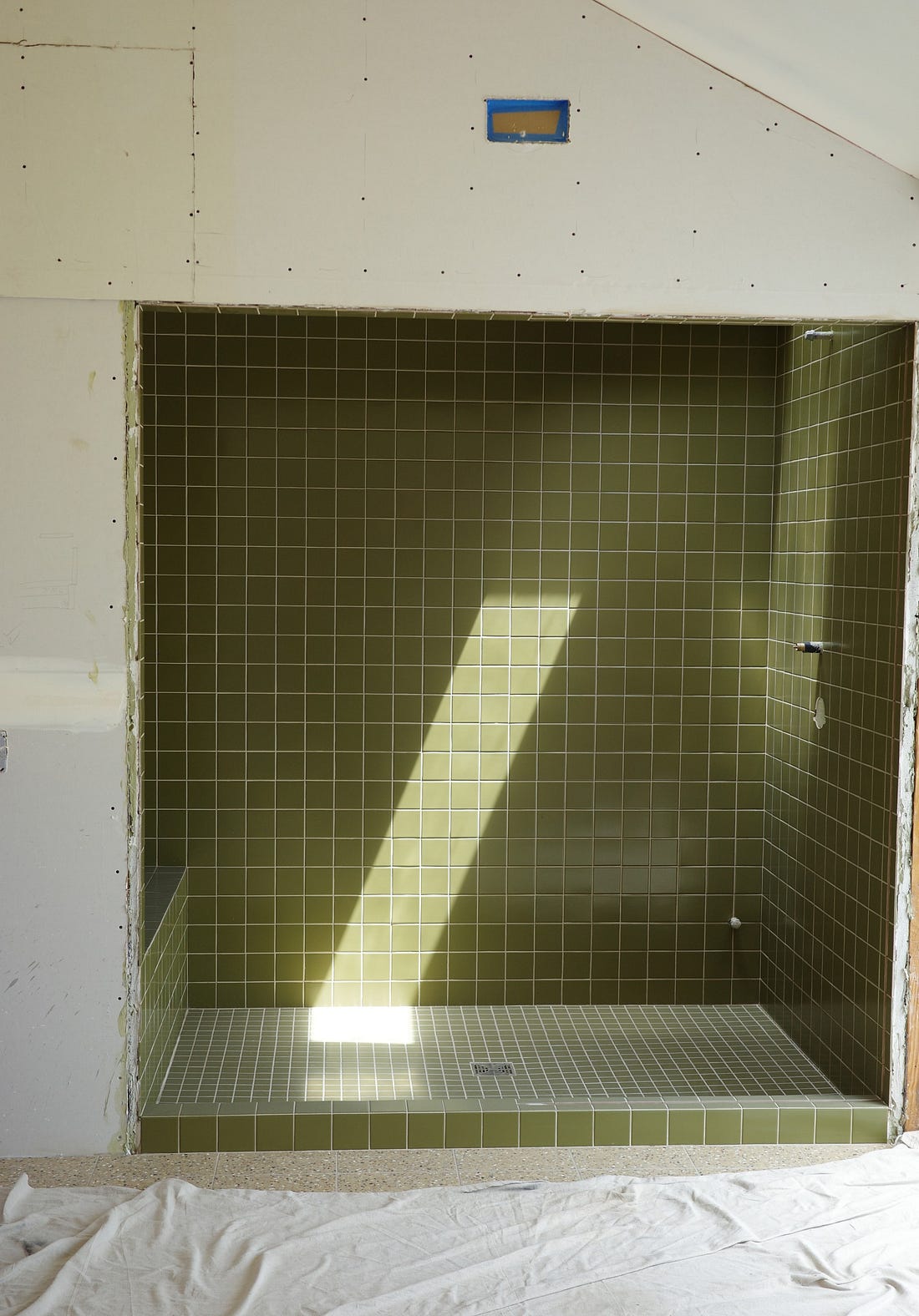
Similarly, for Bestor, all of the careful thought they’d put into how a horizontal line of trim would carry through the house, or how the finish of the floor boards would sync with the wood paneling now made the leap from theoretical to actual. They had pushed for skylights in every bathroom and in select hallways; we were neutral on skylights, having lived through the ‘80s when roofs everywhere were pocked with them. But as we walked around we could see and feel their power as light flooded what would have been a dark entranceway, and as a natural glow filtered through the ceiling and onto a shower’s tiles.
Photo by Victoria Pearson
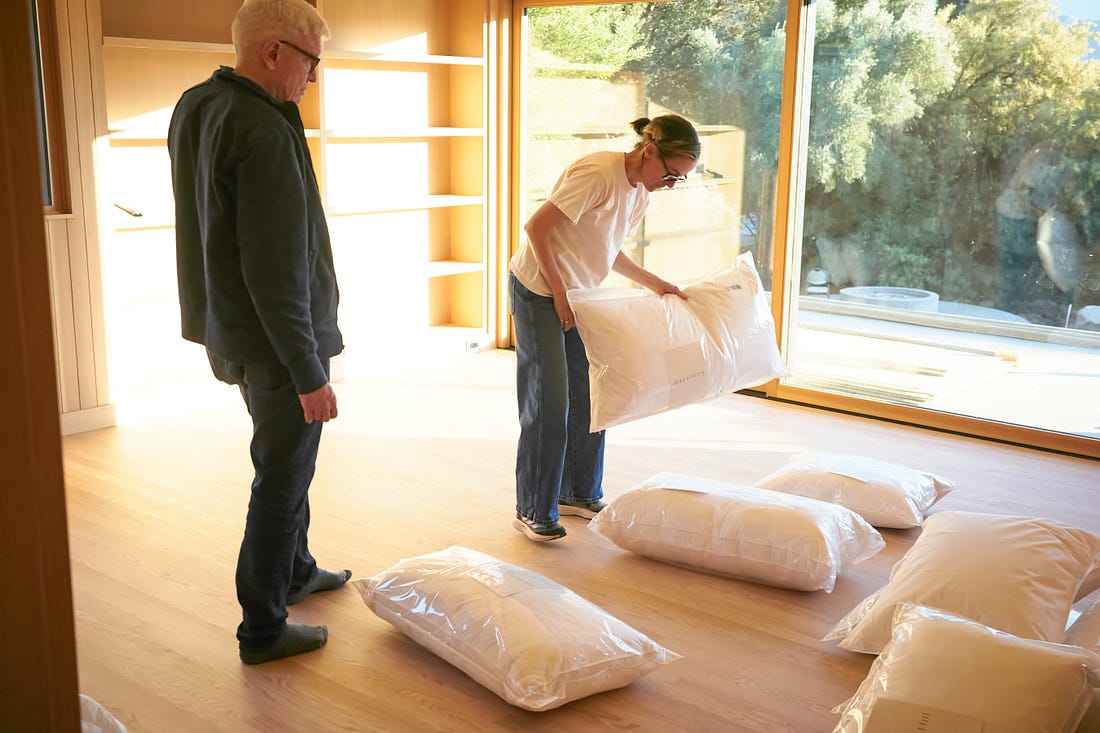
After living in an apartment that has “character” for 23 years, moving into a house with bigger scale, a unified aesthetic, and distinct furnishings was sensorily overwhelming. And also a little jarring. The renderings of the rooms had magically transformed into their real-life versions, but they were at this point still objects, not belongings. We had no relationship with them. I wandered around, drunk on the details (like the faceted sofa in our TV room), feeling a sense of wonder that we would get to live here. At some point, I expected (soon, I hoped), it would come to feel like home.
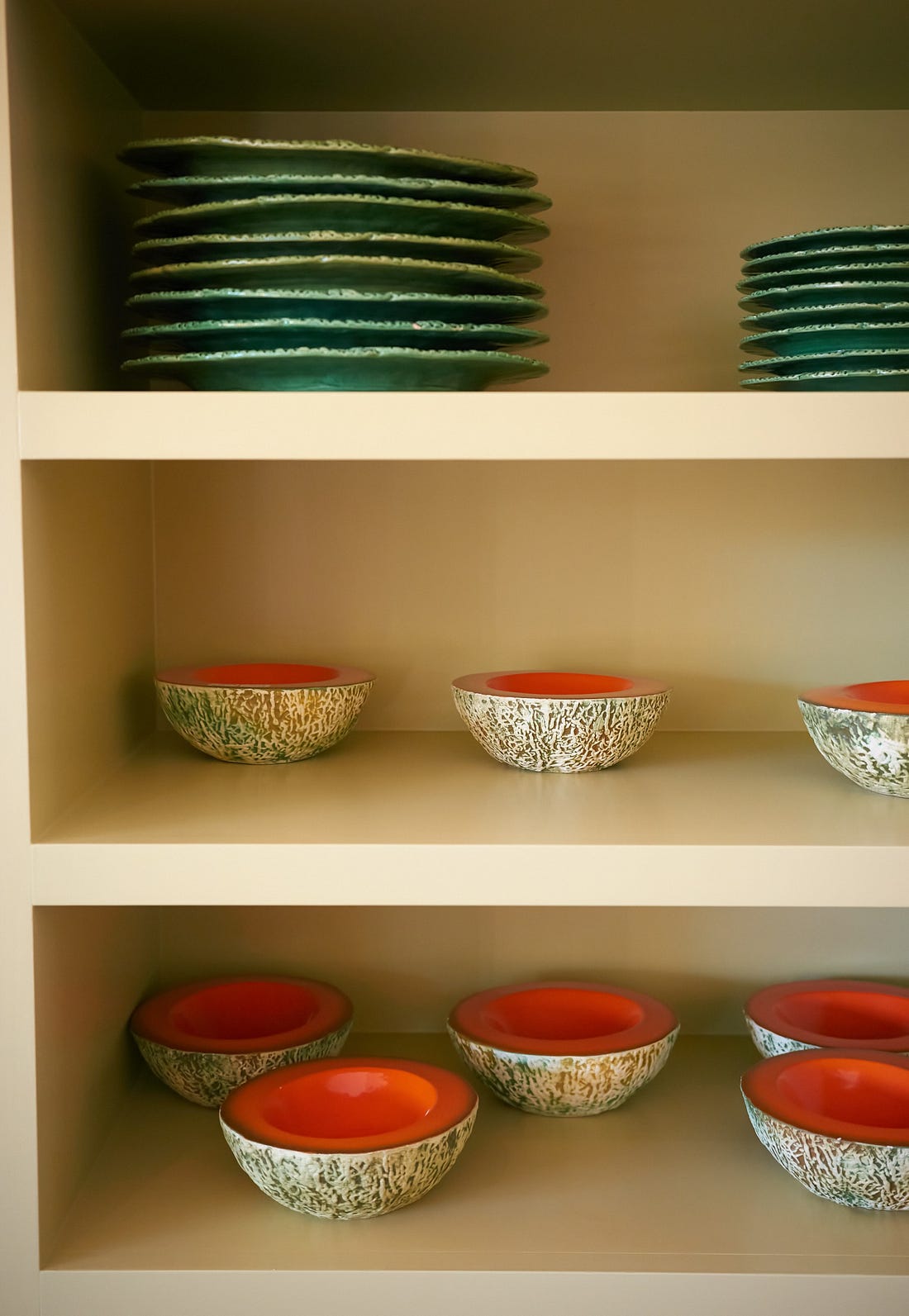
Frances and her team helped us unpack the vintage cabbage plates, Ed Langbein cantaloupe bowls, and Dansk boards I’d squirreled away. The movers folded up their drop cloths, Reath packed up their install tool kit, and off they all went.
Photo by Victoria Pearson
As soon as the front door shut, Fiver (who we joke is not the sharpest tool in the shed) took off, sniffing the perimeter of every room, leaping onto the furniture, rolling and scratching on the rugs. It was so unlike her and so startling. She’d only been to the house a couple of times while it was under construction, but somehow she knew it was her new home. She settled right in and made it her own.
Photo by Victoria Pearson
Humans, I would learn, are much slower to adapt. Here’s a look back at the last six months (er, two years):
Yours in home-making,
Amanda
Image via Jessica Swift
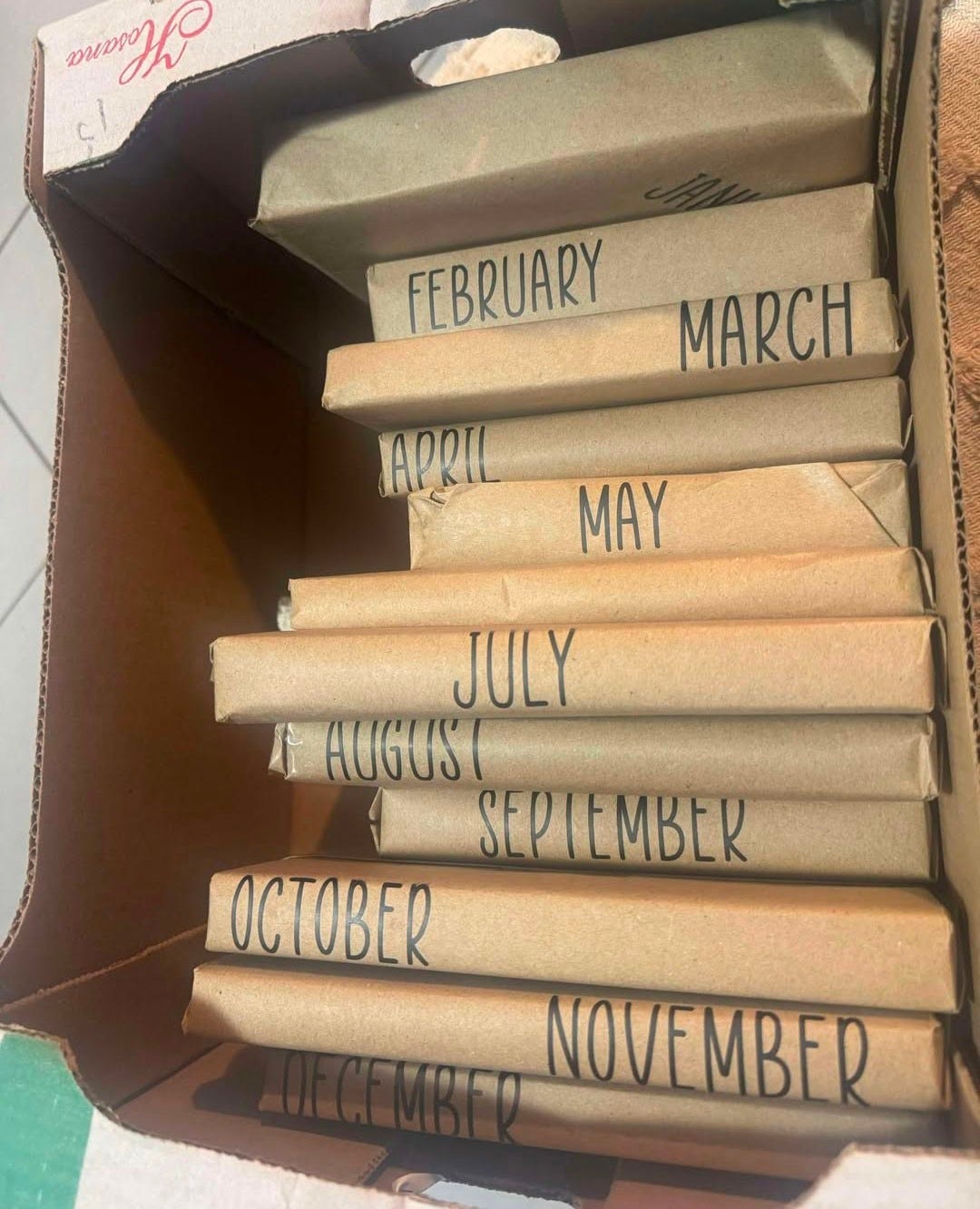
Jessica Swift, an artist and fabric designer, writes a newsletter called Studio Notes (you can sign up here; just scroll to the bottom of the page). In a recent email, she shared an idea from artist Ana Bianchi: have a friend or family member wrap 12 of your cookbooks and label them for each month of the year. Then each month you open a cookbook and make something new from it. I love the sense of surprise and seeing your cookbooks with a fresh eye, because who hasn’t felt cookbook inertia? (Hat tip to my sister Rhonda, who shared this with me!)
My friend Liz, who regularly sends me her shopping finds, alerted me to Shorthand, a paper store in Highland Park, L.A. Browsing their site, I learned that they sell notebooks designed for lefties—let us rejoice!
A highlight of an American road trip is when you come across a niche cultural experience. Like the Lakota Wolf Preserve in New Jersey, the Mammoth Site in South Dakota, or the Luray Caverns in Virginia. The New York Times recently covered an Apron Museum in Iuka, Mississippi that houses more than 6,000 aprons dating back to the 19th century.
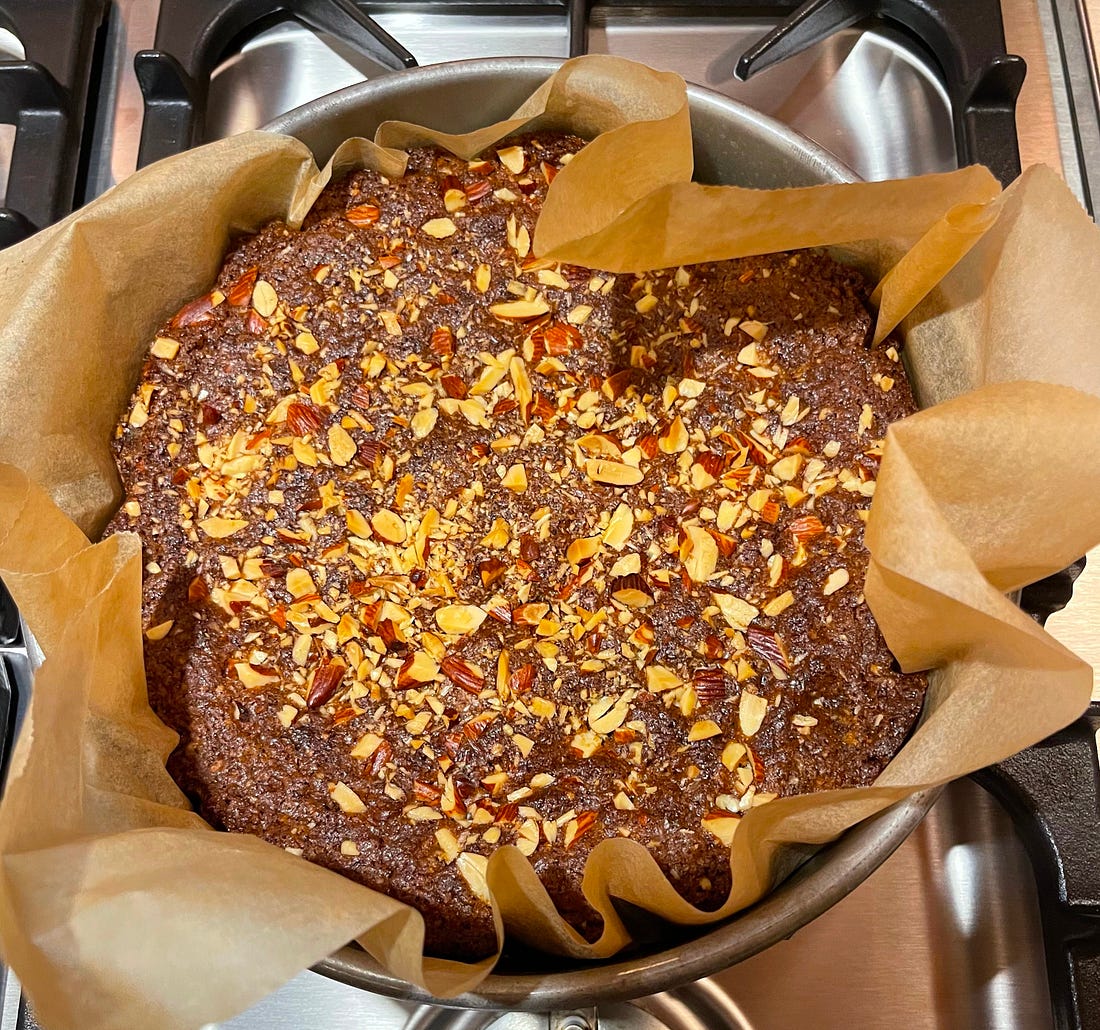
Last Thursday morning, Clare de Boer’s substack landed in my inbox. By evening, I was baking the Toffee Almond Torte she’d featured. I didn’t have almond flour so I used hazelnut flour. The torte, which takes about 8 minutes to assemble, is salty, chewy, dense, crunchy, and in every way my idea of a perfect dessert.
Thanks for reading Homeward! This post is public, so please feel free to share it.
I met Paul Denoly and Nick Blaine, the co-owners of Hawkins New York, through my former company Food52. At the time, in 2014, we were just getting our commerce business off the ground and they were one of our first partners. They invited our team up to Hudson, New York, where their shop was one of the first design destinations along Warren Street. They hosted a beautiful lunch, cooked by Talbott & Arding, and let us wander around their dreamy store and down what was then a sleepy main street.
Paul and Nick have a knack for knowing where to be, and as I’ve learned since then, that extends to their homes. First it was a brownstone in Crown Heights and a house in Hudson. Then a bungalow in L.A., followed by a Spanish Colonial in Glendale, then a house in Sea Ranch, and more recently a home in Gers, in southwest France. A friend and I joke that we’d like our next careers to be Paul and Nick’s house sitters. As you’ll see below, Paul and Nick make their spaces as relaxed and welcoming as they are.
Once, when visiting their house in Hudson, my then 8-year-old daughter disappeared while we were chatting; we later found her nestled in a reading nook they’d created at the top of the stairs. They just know what the people want! Fortunately for us all, their Sea Ranch home will soon be available for short term rentals. I’ll share the link when it becomes available.
In the meantime, have a look through the extraordinary Sea Ranch Design Manual. So much of the text is focused on consideration of the land and your neighbors. Under a section called “Design Process,” the first topic is “Sensory Awareness.”
Yours in house snooping,
Amanda
We first discovered The Sea Ranch accidentally in 2011. Driving up the PCH from San Francisco to a wedding we were attending in Bandon, OR, we started late and hungover. Two hours in, we were nauseous and “hangry.” To avoid a meltdown, we stopped at the next available sign of life: The Sea Ranch Lodge. After a meal and some fresh air, the Sea Ranch effect took over; we felt satiated and calm. ...
Subscribe to Homeward to unlock the rest.
Become a paying subscriber of Homeward to get access to this post and other subscriber-only content.